
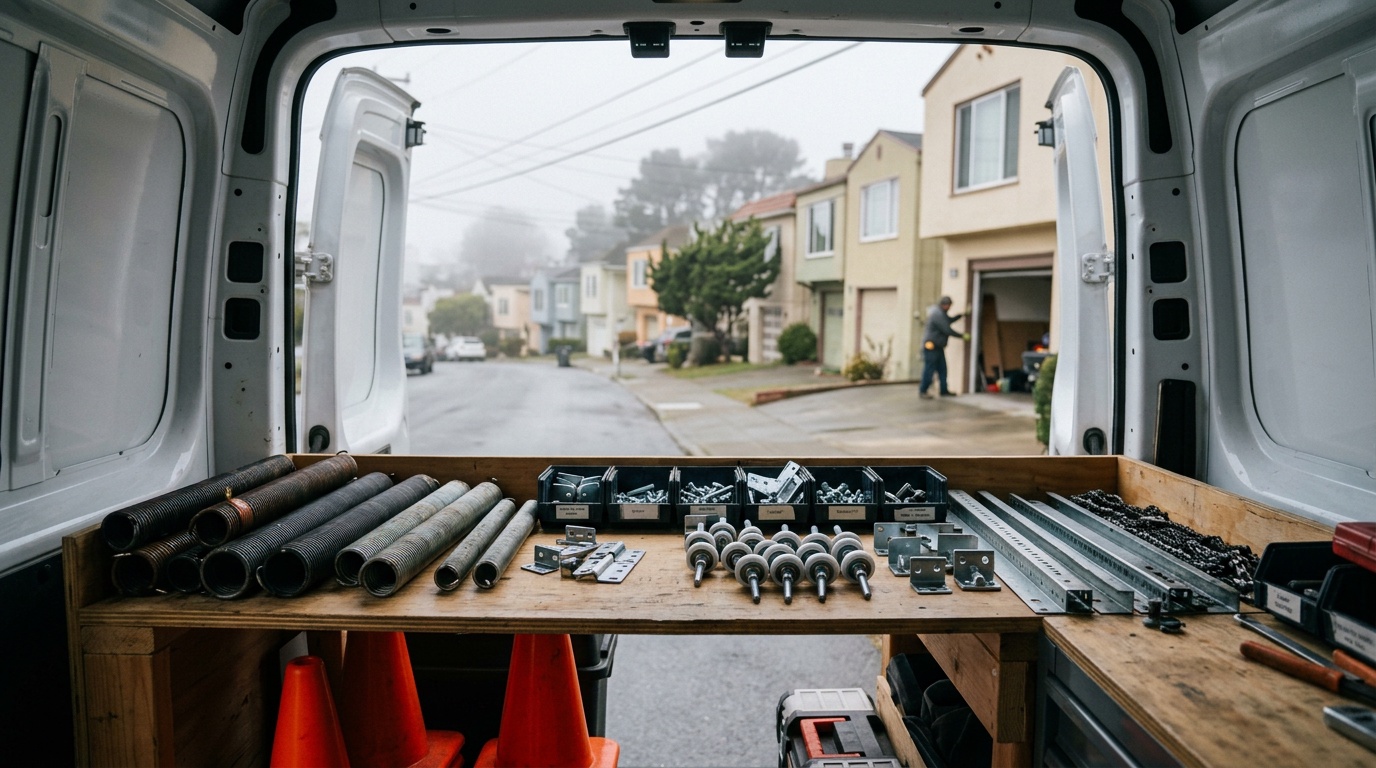
Guides from the Daly City service desk
The blog also supports the full site structure. Service pages explain specific repairs, cost pages explain planning factors, and area pages keep the coverage context clean. This index connects those pieces so a visitor can move from a symptom to the right next page without bouncing through thin duplicated content.
A useful garage door guide should avoid two traps. The first is overconfidence: promising exact arrival, fixed prices, or guaranteed outcomes before seeing the door. The second is vagueness: saying every page is about fast service without explaining springs, openers, rollers, sensors, panels, weather seals, or replacement triggers. These articles stay between those rails.
Every article keeps the same verified facts: the business name is Daly City Garage Doors, the phone number is the shown call path, the site is service-area/mobile focused, and public address or rating data is not invented. That keeps the content useful for customers and safer for long-term SEO.
Start with a current guide
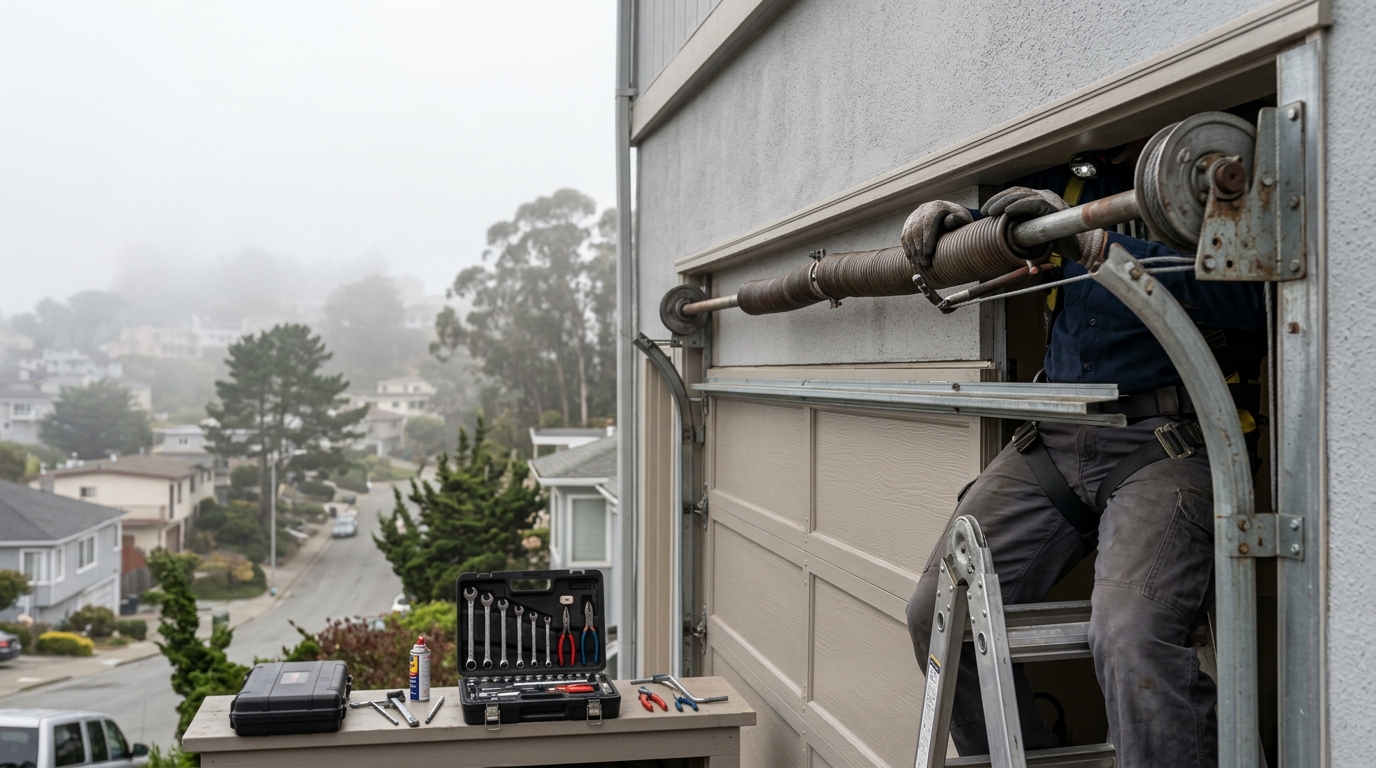
Spring Safety for Daly City Garage Doors
From Daly City Garage Door Blog, use this Spring Safety for Daly City Garage Doors page to review spring balance, cable behavior, and when high-tension hardware should be left alone. Card 1 keeps the next step specific to that page instead of repeating a stock teaser.
Read guide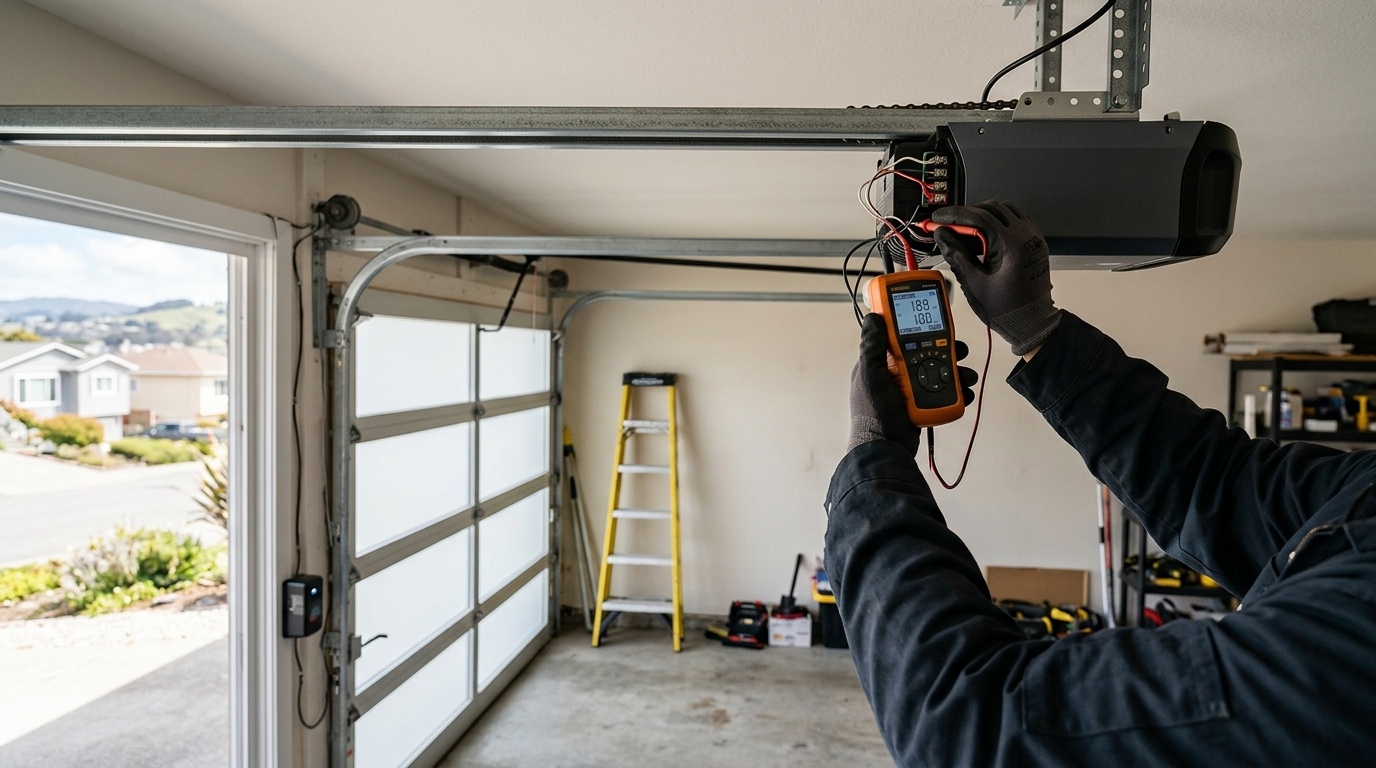
Garage Door Opener Troubleshooting Before You Call
From Daly City Garage Door Blog, use this Garage Door Opener Troubleshooting Before You Call page to review opener symptoms, sensor checks, motor strain, and door-balance clues. Card 2 keeps the next step specific to that page instead of repeating a stock teaser.
Read guide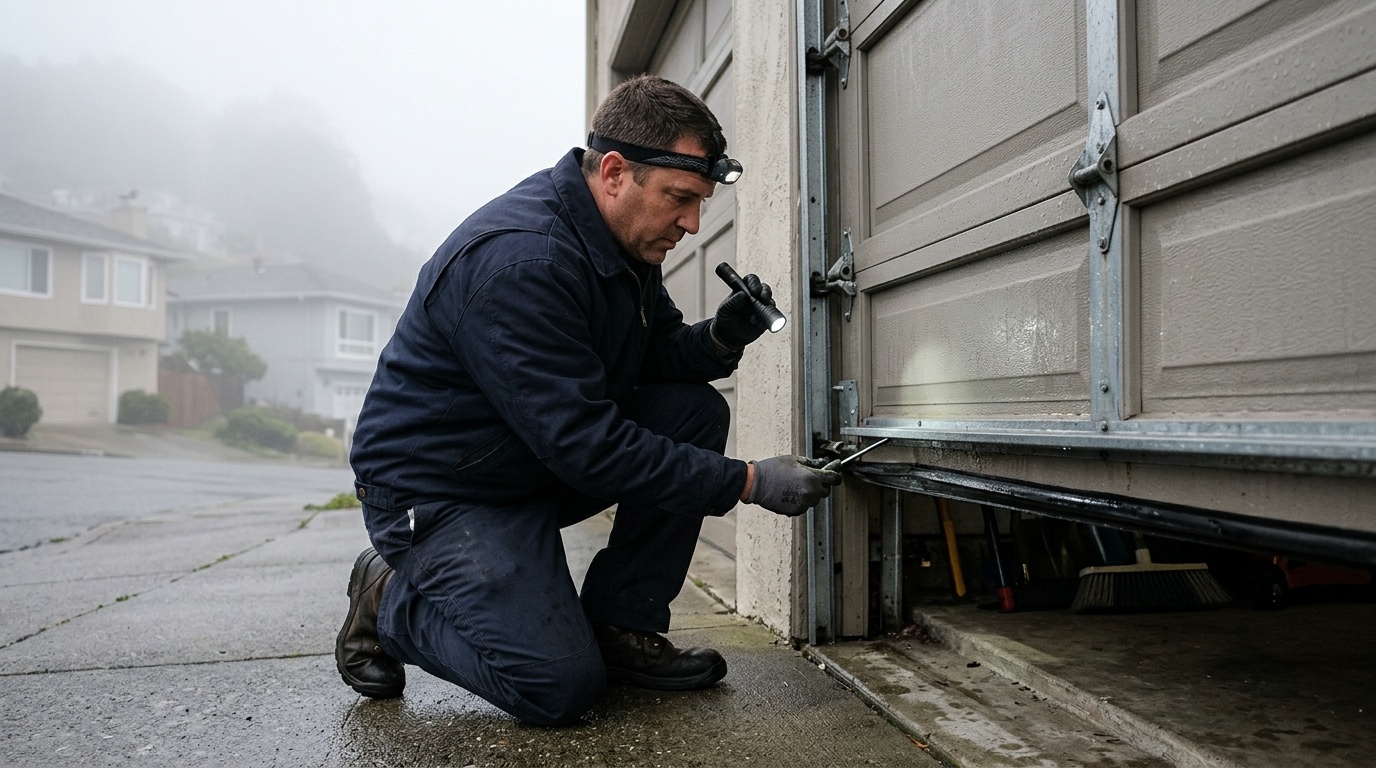
Coastal Maintenance for Daly City Garage Doors
From Daly City Garage Door Blog, use this Coastal Maintenance for Daly City Garage Doors page to review symptoms, safe checks, repair choices, and what to ask before scheduling service. Card 3 keeps the next step specific to that page instead of repeating a stock teaser.
Read guideHow to use the Daly City garage door library
Start with the symptom, not the service name. A homeowner may think the opener is broken because the wall button makes noise, but a heavy door can make a healthy opener stop early. Another caller may think the spring is the only issue because the door feels heavy, while the track, rollers, and cable wrap still need to be checked after the door is safe. The best page is the one that matches what the door is doing right now.
If the door is stuck open, the priority is safety, security, and whether the opening can be secured without forcing damaged parts. If the door is stuck closed and a vehicle is trapped, the priority is describing the door position, spring condition if visible from the floor, and whether the opener is still attached. If the door is noisy but still moving, the priority is understanding whether the sound is grinding, popping, scraping, rattling, or motor strain.
The guides are also organized around decisions. Repair pages explain symptoms and parts. Cost pages explain the variables that change the estimate. Door type pages help with replacement planning. Area pages keep local route context in one place. The blog pulls those ideas together in plain language so the visitor can make a safer phone call instead of guessing.
What this blog deliberately avoids
This blog does not publish invented testimonials, unverified review claim counts, fake star ratings, fake addresses, or exact arrival guarantees. Those shortcuts make a page look busy, but they weaken trust and create risk. A service page should be strong because it explains the work clearly, uses verified business facts, shows owned visual assets, and keeps the call path consistent.
It also avoids dangerous step-by-step instructions for high-tension parts. There is a difference between helping a homeowner recognize a spring problem and telling them how to loosen spring hardware. The same is true for cables, bottom brackets, drums, and jammed doors. A useful article names the safety boundary clearly and then explains what details can be gathered from a safe position.
The goal is not to make every reader call. If a remote battery, wall lock, sensor obstruction, or blocked door path explains the issue, the simple fix may be enough. If the symptom points toward counterbalance, track alignment, cable tension, opener strain, or damaged panels, the better next step is a service conversation with the right details ready.
Local conditions that keep coming up
Daly City garages often deal with fog, slope, compact driveways, attached living space, and daily opener use. Those conditions do not make every repair complicated, but they affect what a technician listens for and checks. Moisture can expose weak seals and rusty hardware. Slope can make a stuck vehicle problem more urgent. Compact garages can put storage close to sensors and tracks. Attached garages make vibration and noise more noticeable.
A local guide should reflect those patterns without pretending every property is the same. A garage near a hillside route, a townhome garage, a detached older garage, and a commercial roll-up door all need different questions. The service pages on this site use Daly City as the center because broad city sprawl produces weak content and weaker service expectations.
When you call (650) 517-6577, the best preparation is simple: describe the symptom, door position, opener behavior, and any visible damage that can be observed from the floor. If photos are safe, they can help. If photos require standing under a stuck door, climbing, or touching springs and cables, skip them.
How the blog connects to repair, cost, and replacement pages
The index is meant to be a control room for the site, not a decorative blog archive. If a visitor lands here with a broken spring, the spring safety guide gives the boundary first and then points to spring service. If a visitor lands with a motor that hums or reverses, the opener guide explains why the door itself must still be checked. If a visitor is trying to prevent trouble, the maintenance guide explains how fog, seals, rollers, hinges, sensors, and daily cycles fit together.
That structure helps the visitor and it helps the site. Search pages should not be isolated islands. A strong service site connects symptoms, service pages, cost pages, and local context so each click answers the next natural question. The blog gives those internal links a clean purpose: it helps someone move from uncertainty to the most relevant page without reading duplicated sales copy.
For the Daly City domain, this matters because the site already has pages for repair, springs, openers, cables, off-track doors, panels, installation, maintenance, commercial service, door types, costs, FAQ, contact, and service areas. The blog does not replace those pages. It explains how to choose between them and keeps the safety guidance visible across the whole site.
When a new issue comes up, the same rule should continue: write from verified business facts, use owner-locked images, keep the phone number consistent, avoid unverified review claim or address claims, and connect the article to the exact service pages that help the customer take the next step.
Why real images matter on a service blog
A garage door article should show the kind of work the page is describing. A blog with empty cards or invisible images looks unfinished, and it also makes the content harder to trust. The updated Daly City blog uses owner-locked WaveSpeed photos for the hub and each guide so visitors can see springs, opener checks, maintenance context, and organized service equipment instead of looking at blank cards or reused placeholders.
Images still have to support the accuracy standard. They should not show competitor branding, fake storefront signs, readable license plates, made-up testimonials, or unsafe repair behavior. They should give a clear visual cue for the page topic while the text handles the safety explanation and call preparation. That is why every image should be checked on the live page, not treated as a design afterthought.
For future updates, the same standard should stay in place: generate or source the asset for the exact topic, verify that the file exists on the live path, test the natural image dimensions in a real browser, and confirm the blog cards are visible on mobile and desktop. A page is not done just because the HTML references an image; it is done when the browser proves that customers can see it.
Related service pages
- Garage Door Repair
- Garage Door Spring Replacement
- Garage Door Opener Repair
- Garage Door Cable Repair
- Off-Track Garage Door Repair
- Garage Door Panel Replacement
- New Door Installation
- Garage Door Maintenance
- Stuck Door Guide
- Noisy Door Guide
- Safety Sensors
- Rollers and Tracks
- Weather Seals
- Repair Cost Guide
- Daly City Blog
- Service Areas
- South San Francisco Route
- San Francisco Route
- Burlingame Route
- San Mateo Route
- Foster City Route